Missing a period can feel confusing and stressful especially if you’re not sure what it means.
Lets see how pregnancy works and other common reasons for missed periods, and what you should do next.\
How the Menstrual Cycle Works
To understand why a period might be late, it helps to know the basics of the menstrual cycle.
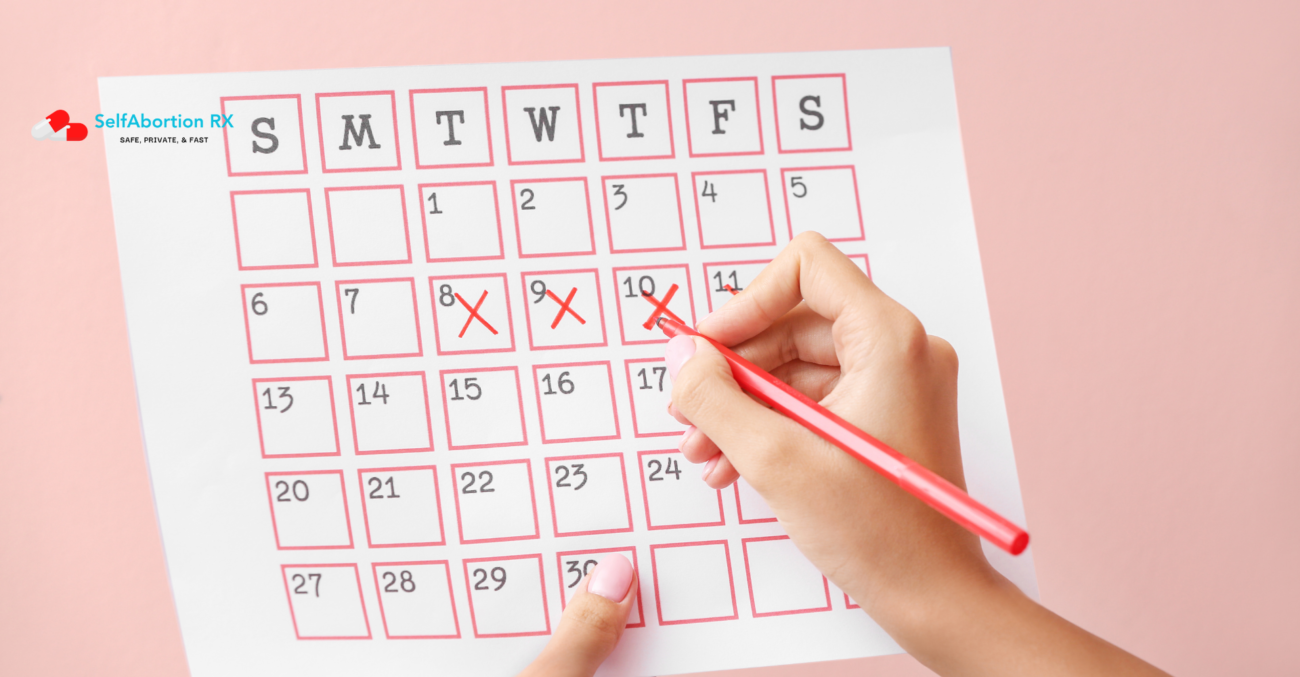
- A typical cycle lasts 21 to 35 days
- Ovulation (release of an egg) usually happens around the middle of the cycle
- If the egg is not fertilized, the uterus sheds its lining, this is your period
If fertilization occurs, the body produces the hormone progesterone, which prevents the lining from shedding. That’s why pregnancy can stop your period.
Does a Missed Period Always Mean Pregnancy?
No.
A missed period does not always mean you are pregnant.
Pregnancy is one possibility only if you had vaginal sex where sperm could enter the body. Even then, pregnancy is not guaranteed every time.
There are many other reasons your period might be late or missed.
Common Reasons for a Missed Period
- Stress
High stress can affect hormones that control your cycle. This may delay or skip your period.
- Hormonal Changes
Your body’s hormones can fluctuate due to lifestyle, health conditions, or natural changes.
- Weight Changes
Sudden weight loss or gain can disrupt your cycle.
- Irregular Cycles
Some people naturally have irregular periods, especially if they are young or recently started menstruating.
- Illness or Lifestyle Changes
Travel, sleep changes, or illness can also affect your cycle timing.
When Pregnancy Is Possible
Pregnancy is more likely if:
- You had unprotected sex
- Protection failed (like a broken condom)
- You had sex during your fertile window (around ovulation)
- Pregnancy can happen even the first time you have sex. There is no protection from pregnancy based on experience
- Even if ejaculation happens near (not inside) the vagina, sperm can still travel inside and lead to pregnancy
- Even before ejaculation, a fluid called pre-ejaculate may be released.
Early Signs of Pregnancy
Besides a missed period, early pregnancy symptoms may include:
- Nausea or vomiting
- Breast tenderness
- Fatigue
- Frequent urination
- Mild cramping
However, these symptoms can also be caused by hormonal changes unrelated to pregnancy.
When Should You Take a Pregnancy Test?
For the most accurate result:
- Take a test after your period is late
- Or 10–14 days after unprotected sex
Pregnancy tests detect a hormone called hCG (Human Chorionic Gonadotropin), which increases after implantation.
(Testing too early may give a false negative)
What to Do If Your Test Is Positive
If your test is positive:
- Take a moment to process your feelings
- Consider your options
- Seek accurate information and support
Everyone’s situation is different, If you’re looking for more information about early pregnancy options and guidance, you can explore resources available on our selfabortionrx website.
What If the Test Is Negative but Your Period Is Still Late?
If your test is negative but your period hasn’t come:
- Wait a few days and test again
- Monitor your body
- Consider stress or lifestyle factors
If your period is missing for several weeks, it’s a good idea to consult a healthcare professional.
When to Seek Medical Advice
You should seek medical guidance if:
- Your period is missing for more than 2–3 months
- You have severe pain
- You experience unusual symptoms
A healthcare provider can help identify the cause.
Final Thoughts
Missing a period can be worrying, but it doesn’t automatically mean pregnancy. The best way to know for sure is to take a pregnancy test at the right time and understand your body’s signals.
Whether your period is late due to stress, hormonal changes, or pregnancy, having the right information helps you stay calm and make informed decisions.
For more guidance, support, and answers to common questions, you can visit our selfabortionrx website to learn more.